Dr. Ajay Kumar
Gastroenterologist

Surgical

3 -4 Hour

1 -2 Days

2 - 4 Week

5 -6 Month

84%
Free consultation • No obligation • HIPAA Compliant
External Beam Radiation Therapy, commonly known as EBRT, is one of the most advanced and widely used treatments for cancer across the globe. It involves delivering high-energy radiation beams directly to cancerous tissues from outside the body to destroy tumor cells while minimizing damage to surrounding healthy tissues. EBRT is considered highly effective for a variety of cancers, including breast cancer, lung cancer, prostate cancer, head and neck cancers, brain tumors, colorectal cancer, and certain pediatric malignancies.
India has become a leading destination for EBRT treatment, attracting both domestic and international patients. Renowned cancer centers in India are equipped with the latest linear accelerators, IMRT (Intensity-Modulated Radiation Therapy), IGRT (Image-Guided Radiation Therapy), and SBRT (Stereotactic Body Radiation Therapy), ensuring precise delivery of radiation.
External Beam Radiation Therapy is recommended in multiple scenarios, depending on the type and stage of cancer. Patients may be advised to undergo EBRT as a primary treatment if surgery is not feasible or as an adjuvant therapy to destroy residual cancer cells after surgery. EBRT is also commonly used to shrink tumors before surgery or chemotherapy, control tumor growth, and alleviate symptoms such as pain, bleeding, or obstruction caused by tumors.
EBRT uses high-energy X-rays or proton beams generated by a linear accelerator to target cancer cells precisely. Radiation works by damaging the DNA of rapidly dividing cancer cells, preventing them from multiplying and eventually causing cell death. Modern EBRT techniques allow oncologists to sculpt radiation doses to match the tumor’s three-dimensional shape, reducing exposure to nearby organs and critical structures.
External Beam Radiation Therapy includes several advanced techniques that improve treatment accuracy and patient outcomes:
Preparation for EBRT begins with a thorough evaluation by a radiation oncologist. This includes a detailed medical history, diagnostic imaging such as CT or MRI scans, and sometimes PET scans to map tumor location. During the simulation process, precise measurements are taken, and custom molds or skin markings may be applied to ensure accurate treatment positioning. Patients may receive dietary guidelines, instructions on medications, and guidance on managing potential side effects.
External Beam Radiation Therapy offers numerous advantages for cancer patients. It is non-invasive, precise, and can be tailored to the patient’s specific tumor characteristics. EBRT can be used alone or in combination with surgery, chemotherapy, or immunotherapy to achieve optimal outcomes. Advanced EBRT techniques minimize side effects and protect surrounding healthy tissue, improving patient comfort and quality of life.
While EBRT is generally safe and effective, some side effects may occur depending on the treatment area and total radiation dose. Common side effects include mild fatigue, skin irritation or redness at the treatment site, hair loss in targeted areas, and temporary inflammation of surrounding tissues. Most side effects are temporary and manageable under the supervision of the oncology team.
External Beam Radiation Therapy is typically delivered on an outpatient basis, allowing patients to maintain most of their daily routines. Recovery is gradual, and patients may experience mild fatigue, which improves over time. Proper hydration, balanced nutrition, and adequate rest are important during the course of treatment. Follow-up appointments and imaging studies help monitor tumor response and manage any delayed side effects.
The success of EBRT depends on cancer type, stage, patient health, and treatment precision. Early-stage localized cancers treated with EBRT can achieve control and remission rates of 70% to 90%, while advanced cancers benefit significantly when EBRT is combined with surgery or chemotherapy. India’s advanced oncology centers ensure outcomes that are comparable to top international standards.
The cost of EBRT treatment in India is significantly lower than in Western countries. On average, EBRT costs range from USD 2,500 to USD 6,000, depending on the type of cancer, number of sessions, radiation technology used, and hospital facility. Advanced techniques such as IMRT, SBRT, or proton therapy may incur higher costs but offer precise targeting and better safety.
India provides end-to-end support for international patients seeking EBRT treatment. Medical tourism services include online consultation, medical visa assistance, airport transfers, accommodation arrangements, language support, and post-treatment follow-ups. This coordinated care ensures patients receive world-class cancer treatment in a comfortable and stress-free environment.
What is External Beam Radiation Therapy (EBRT)?
External Beam Radiation Therapy (EBRT) is a non-invasive cancer treatment that delivers high-energy radiation beams from outside the body to target and destroy cancer cells.
How does EBRT work?
EBRT damages the DNA of cancer cells, preventing them from multiplying and eventually causing cell death. Modern techniques like IMRT, IGRT, and SBRT allow precise radiation delivery.
How long does EBRT treatment take?
Treatment is typically administered in multiple sessions over several weeks. Each session usually lasts 10–20 minutes, and patients can return home the same day.
Is EBRT painful?
No, EBRT is completely painless. Patients do not feel the radiation during treatment, though mild fatigue or skin irritation may occur over time.
How should I prepare for EBRT?
Preparation involves:

Gastroenterologist




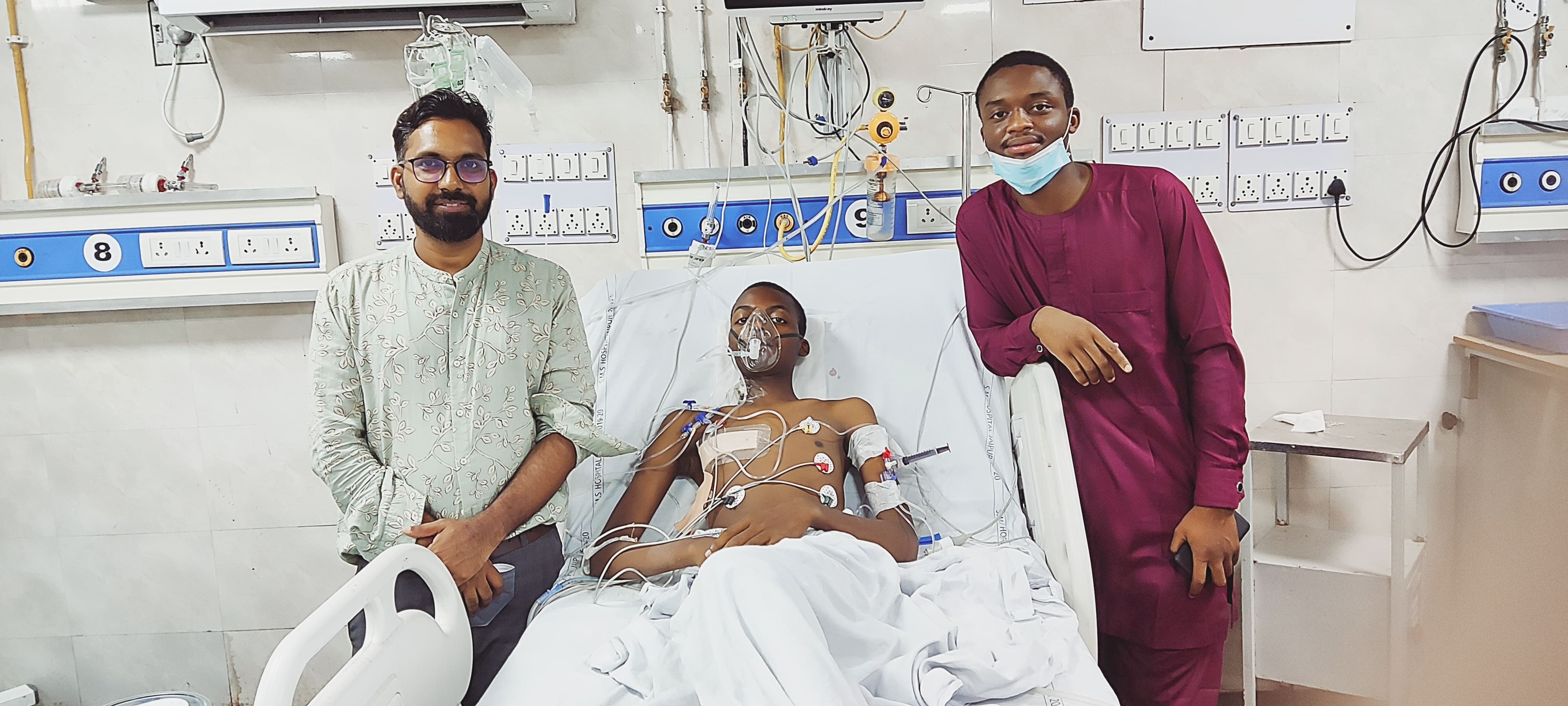
A 19 years old Nigerian boy abdulla came to India for mitral valve replacement. When he reached india his heart was only 18% working with various other complications.
Read more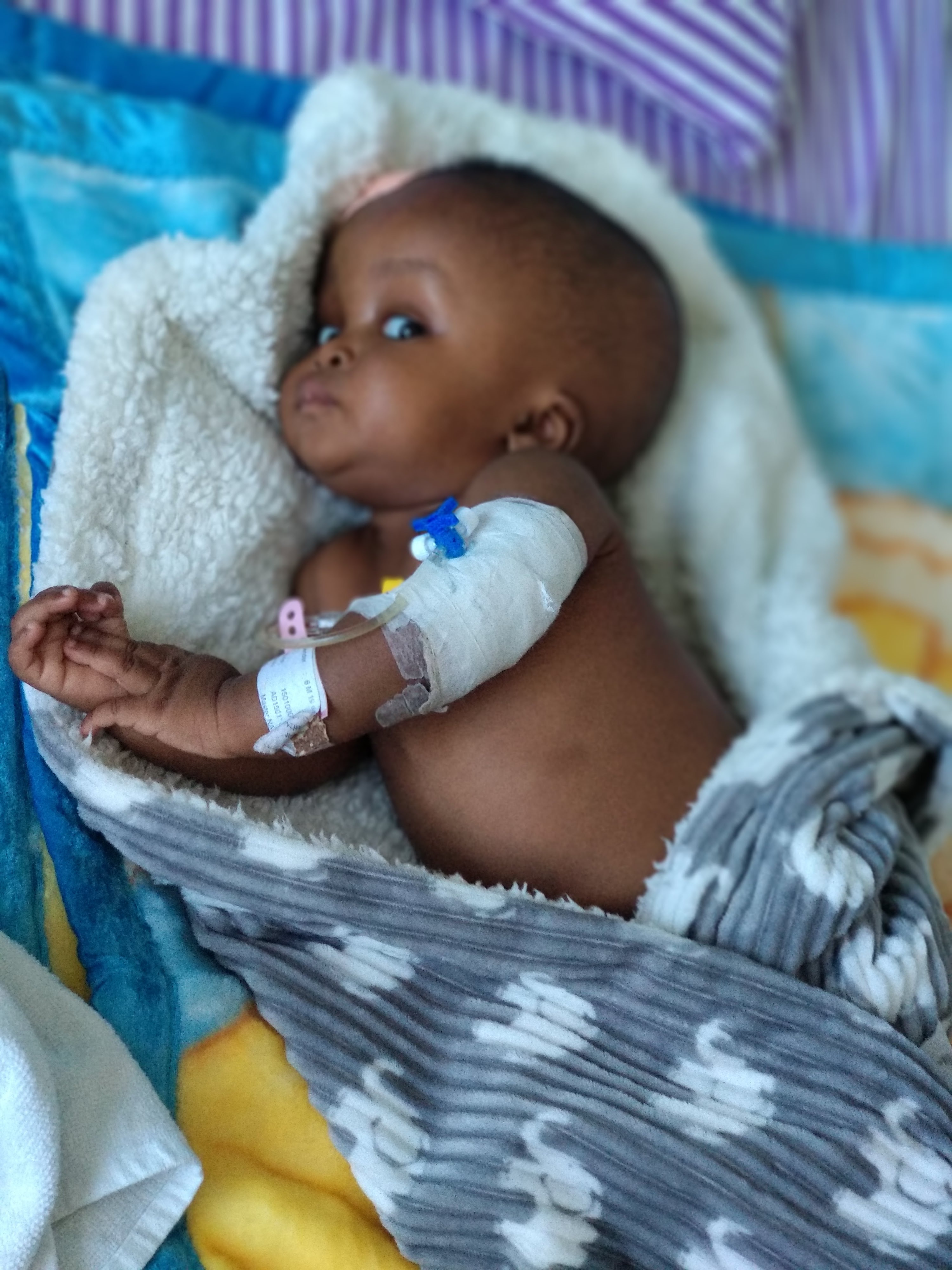
Naqib, a year old baby has been struggling with the life. He had been having a tough time in his life battling with the symptoms like mental changes, difficulty in speaking, seizures, and muscle weakness.
Read moreTransparent · Professional · Without Hassles
It's essential to have a clear understanding of what will happen before, during, and after the procedure, and what results to expect...
Get your personalized treatment plan and quote within 48 hours.
By submitting the form I agree to the Terms of Use and Privacy Policy of Vaidam Health.