Surgical

6-9 Hours

10 - 12 Days

2-3 Week

4-5 Months

89%
Free consultation • No obligation • HIPAA Compliant
A kidney transplant is a life-saving surgical procedure recommended for patients whose kidneys have permanently lost their ability to function. The kidneys are essential for filtering waste, removing excess fluids, maintaining electrolyte balance, and regulating blood pressure. When kidney function declines to an advanced stage, harmful toxins accumulate in the body, leading to serious and sometimes life-threatening complications. Kidney transplant treatment replaces the damaged kidney with a healthy donor kidney, allowing the body to restore normal kidney function and significantly improve overall health and quality of life.
India is widely recognized as one of the leading destinations for kidney transplant surgery due to its advanced healthcare infrastructure, highly experienced nephrologists and transplant surgeons, and affordable treatment costs. Patients from across the world travel to India for kidney transplant treatment because of high success rates, international medical standards, and comprehensive medical tourism support.
A kidney transplant specialist should be consulted when chronic kidney disease progresses to an advanced stage and dialysis or medication can no longer manage symptoms effectively. Warning signs such as persistent fatigue, swelling in the legs or face, reduced urine output, difficulty breathing, uncontrolled high blood pressure, nausea, and frequent infections may indicate severe kidney damage. Patients diagnosed with end-stage renal disease, diabetic kidney disease, inherited kidney disorders, or long-standing hypertension are often advised to consult a transplant specialist to evaluate eligibility for renal transplant surgery.
Kidney transplant treatment is usually recommended for patients with irreversible kidney failure. Common conditions leading to kidney transplantation include:
In many cases, kidney transplant offers a longer life expectancy and better quality of life compared to long-term dialysis.
Kidney transplant surgery can be performed using different donor sources depending on medical suitability and availability:
Preparation for kidney transplant surgery includes a thorough medical evaluation to ensure the patient is physically fit for transplantation. This involves blood tests, tissue matching, imaging studies, heart and lung assessments, and infection screening. Patients are advised to follow a kidney-friendly diet, control blood sugar and blood pressure, stop smoking, and maintain a healthy weight. Psychological counseling and patient education are also provided to help patients understand long-term medication use and post-transplant care requirements.
Kidney transplant surgery is carried out under general anesthesia by an experienced transplant team. During the procedure, the donor kidney is placed in the lower abdomen, and its blood vessels are connected to the recipient’s blood vessels to restore circulation. The ureter is attached to the bladder to allow urine flow. In most cases, the patient’s damaged kidneys are not removed unless they cause complications. The surgery usually takes three to four hours, followed by close monitoring in the hospital.
Recovery after kidney transplant surgery typically involves a hospital stay of 7 to 14 days, depending on the patient’s condition. During this period, kidney function, urine output, and overall health are closely monitored. After discharge, patients must attend regular follow-up visits and take prescribed immunosuppressive medications to prevent organ rejection. Full recovery may take several weeks to months, after which most patients can return to normal daily activities, including work and travel.
Kidney transplant offers significant benefits over long-term dialysis. It restores kidney function, improves energy levels, reduces dietary restrictions, and enhances overall physical and emotional well-being. Patients often experience improved appetite, better sleep, increased stamina, and a more active lifestyle. Kidney transplant treatment also improves long-term survival rates and provides a better quality of life when compared to ongoing dialysis treatment.
Like any major surgery, kidney transplant carries potential risks and complications. These may include infection, bleeding, blood clots, delayed kidney function, or rejection of the transplanted kidney. Long-term use of immunosuppressive medications may increase susceptibility to infections, diabetes, or high blood pressure. However, with modern surgical techniques, experienced doctors, and close post-transplant monitoring, most complications are effectively managed.
The success rate of kidney transplant treatment in India is very high due to advanced medical technology and skilled transplant teams. On average, the one-year success rate of kidney transplant surgery in India ranges between 90% and 95%, while the five-year success rate is approximately 85% to 90%, depending on patient health, donor compatibility, and adherence to post-transplant care.
The cost of kidney transplant in India is significantly lower than in countries like the USA, UK, or Europe. On average, the kidney transplant cost in India ranges from ₹5,00,000 to ₹8,50,000, which is approximately USD 6,000 to USD 10,000, depending on the hospital, city, and patient condition. This cost usually includes pre-transplant evaluation, surgery, hospital stay, and immediate post-operative care.
Several factors influence the total cost of kidney transplant treatment in India. These include the type of transplant, donor availability, patient’s medical condition, duration of hospital stay, need for intensive care, and post-surgery medications. Additional expenses such as long-term immunosuppressive drugs, follow-up tests, and accommodation for international patients may also impact the overall cost.
India is a preferred destination for international patients seeking affordable kidney transplant surgery with high success rates. JD Max Healthcare provides provide end-to-end medical tourism services including online consultations, medical visa assistance, airport transfers, accommodation support, and post-treatment follow-ups. This comprehensive care model ensures a smooth and stress-free experience for patients and their families..

















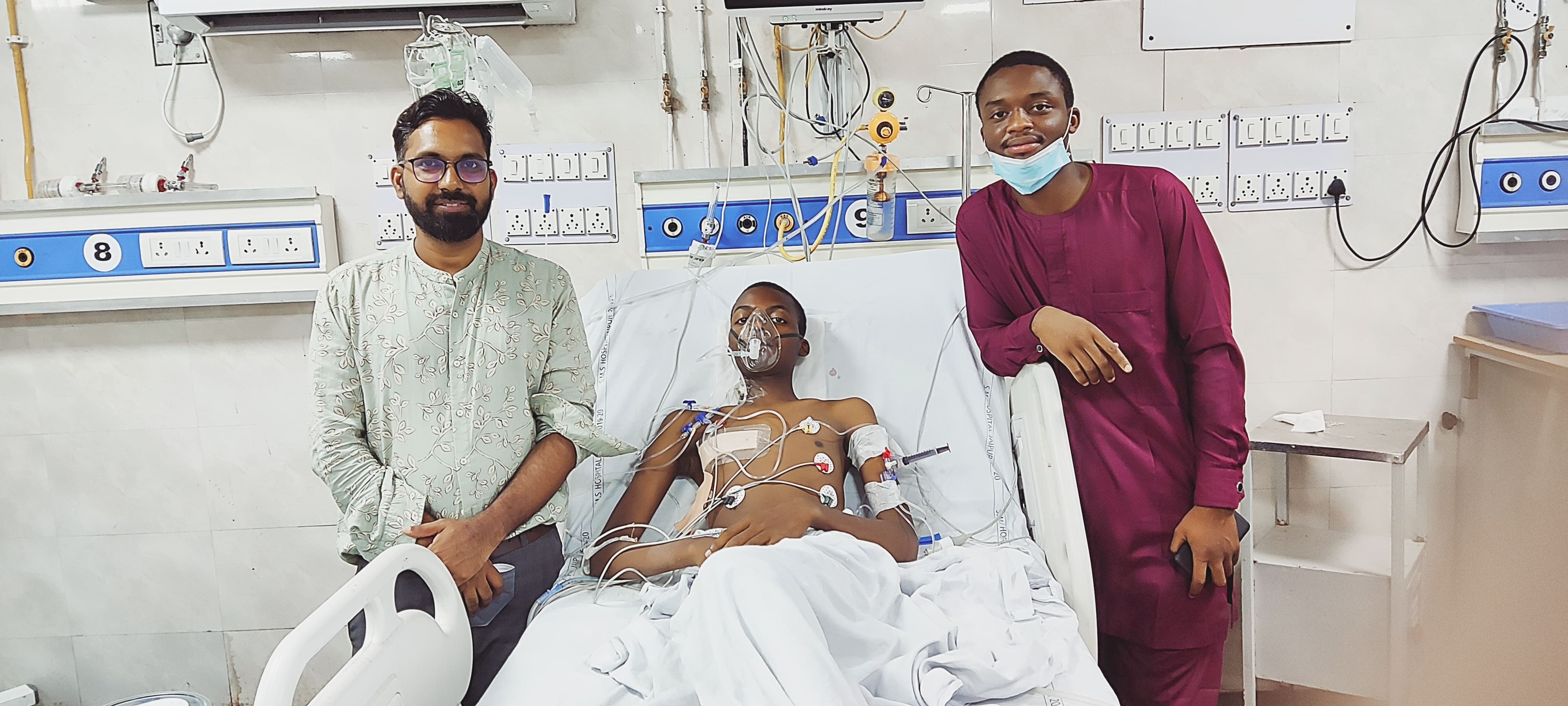
A 19 years old Nigerian boy abdulla came to India for mitral valve replacement. When he reached india his heart was only 18% working with various other complications.
Read more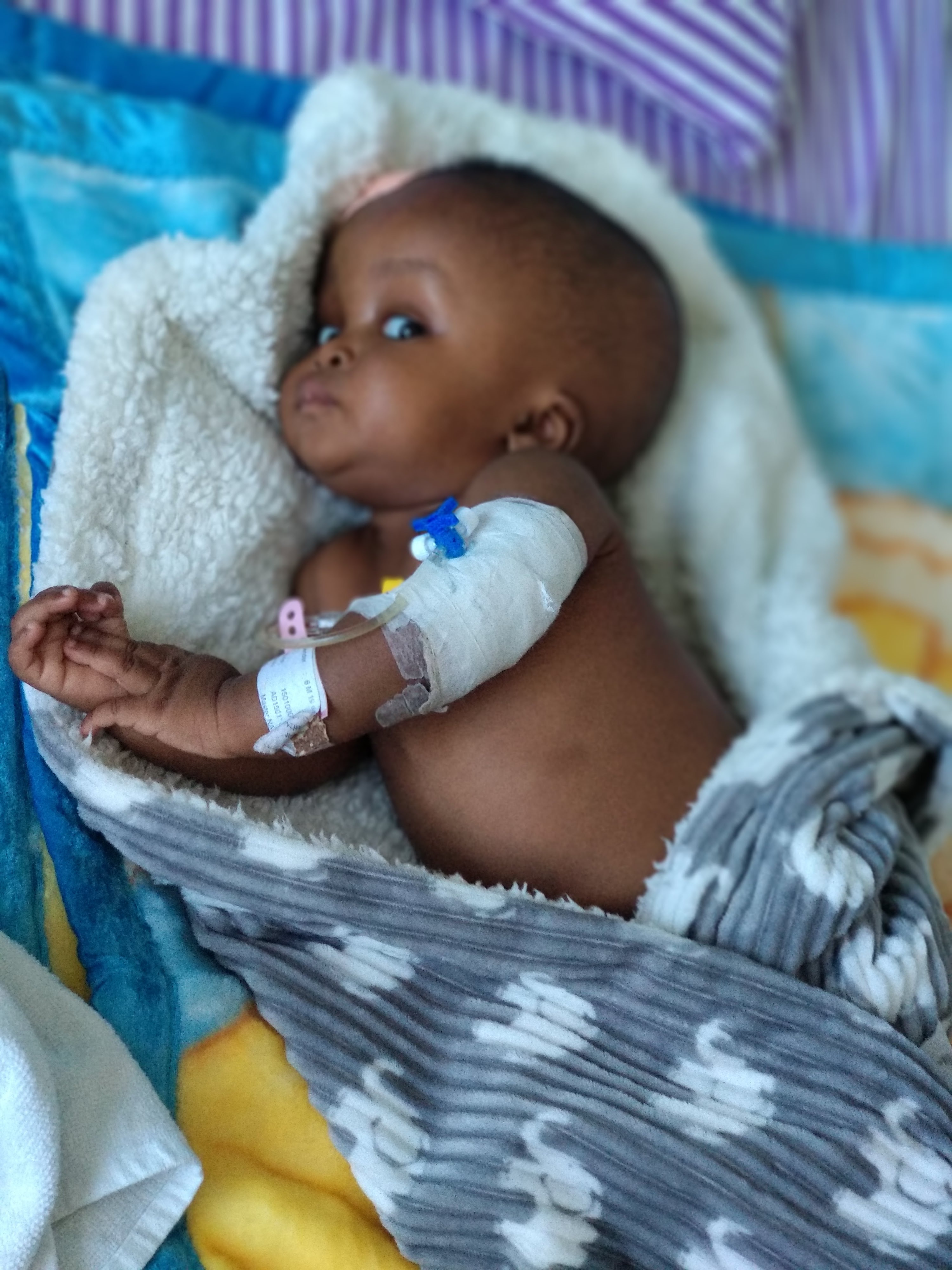
Naqib, a year old baby has been struggling with the life. He had been having a tough time in his life battling with the symptoms like mental changes, difficulty in speaking, seizures, and muscle weakness.
Read more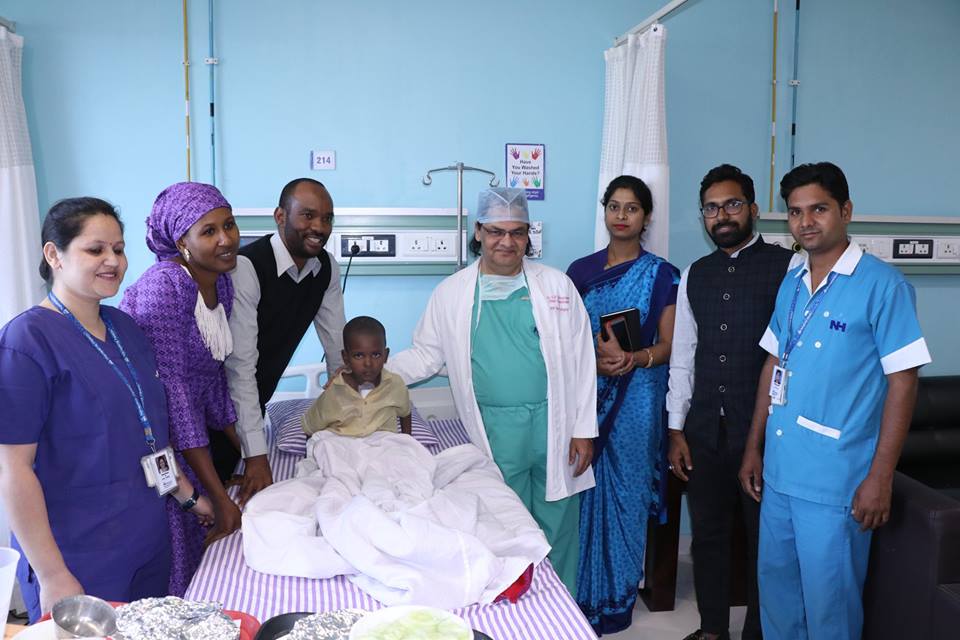
A 6-year-old baby boy from Nigeria get surgery for Tetralogy of Fallot in India at Narayana Hospital, Jaipur A baby boy from Nigeria, who is 6 years old, was treated with Tetralogy of Fallot. The boy was facing the problem in breathing, loss of consciousness, cyanosis, fatigue, and a heart murmur.
Read moreTransparent · Professional · Without Hassles
It's essential to have a clear understanding of what will happen before, during, and after the procedure, and what results to expect...
Get your personalized treatment plan and quote within 48 hours.
By submitting the form I agree to the Terms of Use and Privacy Policy of Vaidam Health.