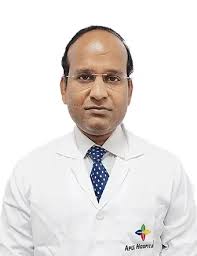
Dr Ashish Rana
Senior Consultant

Surgical

1-2 Hours

1 to 3 days

2-3 Week

2 -3 Months

89%
Free consultation • No obligation • HIPAA Compliant
The anterior cruciate ligament (ACL) is one of the main stabilizing ligaments of the knee joint. It connects the thigh bone (femur) to the shin bone (tibia) and plays a crucial role in maintaining knee stability, especially during sudden movements such as turning, braking, pivoting, or changing direction.
The ACL is essential for activities involving jumping, fast footwork, and quick directional changes, making it particularly important for athletes and physically active individuals.
ACL injuries most commonly occur during sports or high-impact activities. They can happen when you:
• Suddenly stop or change direction
• Land awkwardly after a jump
• Twist the knee unexpectedly
• Receive a direct blow to the knee
Although athletes are at higher risk, ACL injuries can also occur during routine daily activities, falls, or road accidents.
Many people experience a distinct “popping” sound or sensation at the time of injury. This is often followed by:
• Rapid swelling of the knee
• Severe pain, especially while walking
• A feeling of looseness or instability in the joint
• Reduced range of motion
Some individuals also report that the knee feels like it may “give way” or cannot support body weight properly.
A completely torn ACL does not heal on its own because the ligament has limited blood supply.
• Partial tears or injuries in less active individuals may improve with rest and physiotherapy
• Complete tears or unstable knees usually require surgical intervention
For active individuals or athletes, ACL reconstruction surgery is often recommended to restore knee strength and stability.
Treatment depends on the severity of the tear and the patient’s activity level.
• Non-surgical treatment:
Recommended for partial tears or low-activity individuals. This includes knee bracing, rest, and structured physical therapy to strengthen surrounding muscles.
• Surgical treatment (ACL Reconstruction):
Recommended for complete tears, athletes, or patients with knee instability. The damaged ligament is replaced with a graft using minimally invasive techniques.
ACL surgery may be recommended if:
• The ACL is completely torn
• The knee frequently gives way or feels unstable
• You want to return to sports or high-impact activities
• Other knee structures (such as the meniscus) are damaged
Diagnosis is confirmed through physical examination and imaging tests like MRI.
ACL reconstruction is a surgical procedure where the torn ligament is replaced with a new graft. The graft may be taken from:
• Your own body (hamstring tendon or patellar tendon)
• A donor (allograft)
The surgery is usually performed arthroscopically using small incisions and a camera, resulting in minimal scarring and faster recovery.
Recovery timelines vary, but generally include:
• Walking with support within a few days
• Light daily activities in 6–8 weeks
• Strengthening and controlled movement in 3–6 months
• Full return to sports in 6–9 months
Consistent physiotherapy is critical for optimal recovery and long-term knee health.
Most patients can safely return to sports or physically demanding activities within 6 to 9 months after surgery, provided rehabilitation milestones are met.
Your surgeon and physical therapist will guide you through a gradual, safe return-to-play plan.
Physical therapy begins soon after surgery and progresses in stages, focusing on:
• Reducing swelling and restoring knee motion
• Strengthening thigh and leg muscles
• Improving balance, coordination, and flexibility
• Preparing the knee for daily activities and sports
Following your rehabilitation plan closely is key to a successful outcome.
With proper treatment and rehabilitation, most patients regain full knee function. You can expect to:
• Walk, run, and move confidently without instability
• Resume sports or physical activities you enjoy
• Feel stronger and more secure in knee movement
Long-term success depends on staying active, continuing strength training, and listening to your body.
Senior Consultant










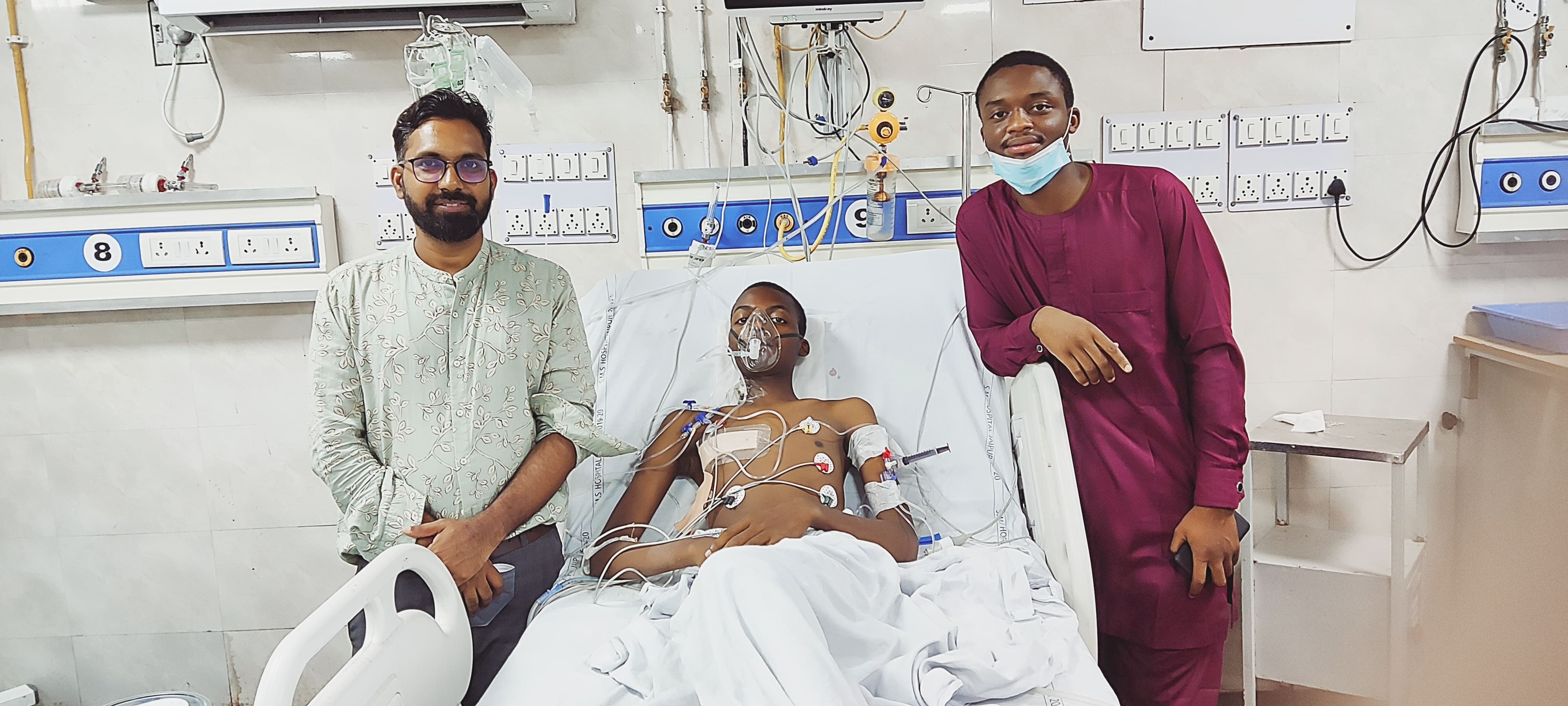
A 19 years old Nigerian boy abdulla came to India for mitral valve replacement. When he reached india his heart was only 18% working with various other complications.
Read more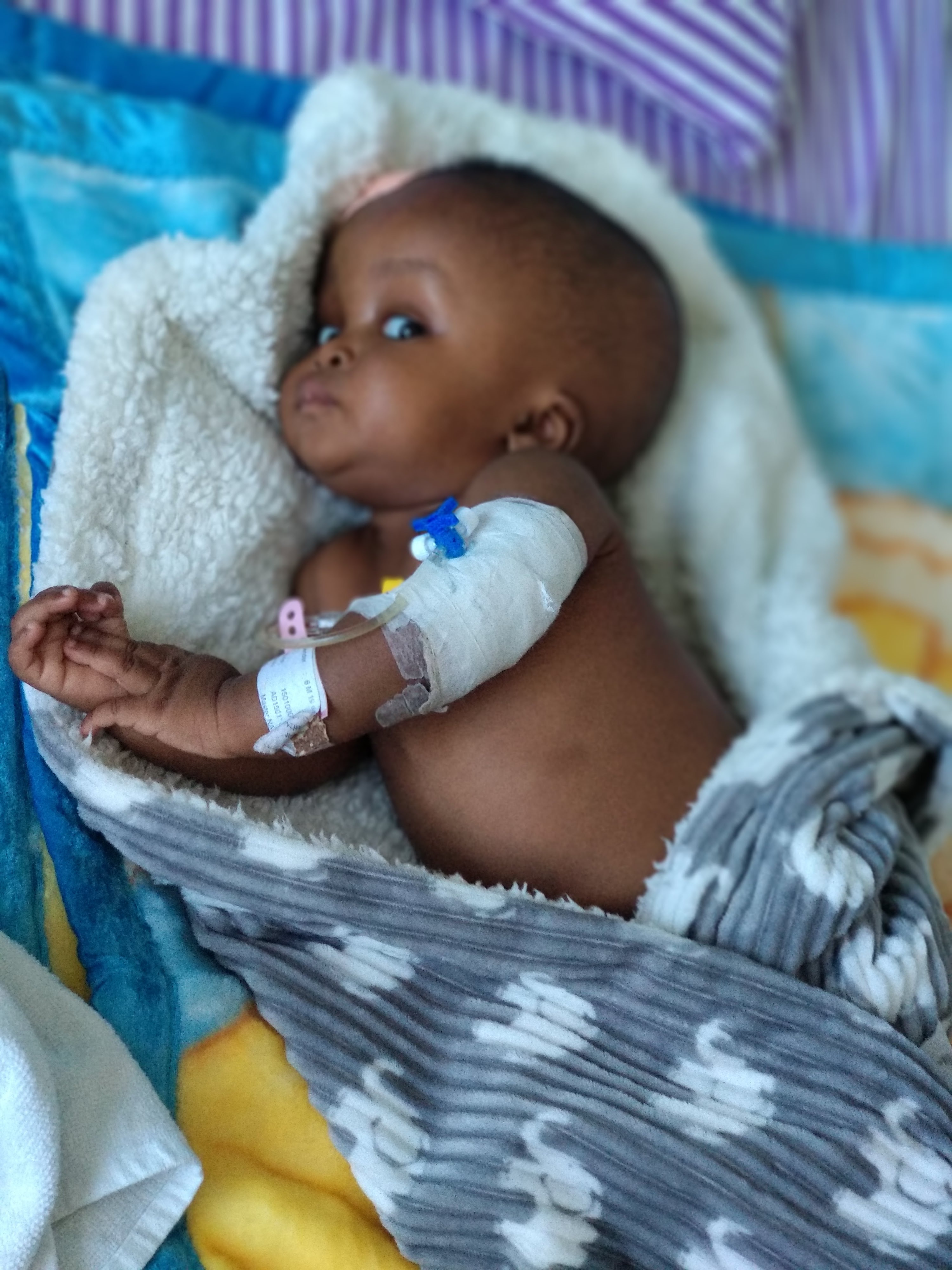
Naqib, a year old baby has been struggling with the life. He had been having a tough time in his life battling with the symptoms like mental changes, difficulty in speaking, seizures, and muscle weakness.
Read moreTransparent · Professional · Without Hassles
It's essential to have a clear understanding of what will happen before, during, and after the procedure, and what results to expect...
Get your personalized treatment plan and quote within 48 hours.
By submitting the form I agree to the Terms of Use and Privacy Policy of Vaidam Health.