Dr Ashish Rana
Senior Consultant
Free consultation • No obligation • HIPAA Compliant
Shoulder replacement surgery, also known as shoulder arthroplasty, is a procedure in which the damaged parts of the shoulder joint are replaced with artificial components. It is performed to relieve chronic shoulder pain, restore movement, and improve overall function when non-surgical treatments like medications, injections, or physiotherapy no longer work.
The shoulder is a ball-and-socket joint. The top of the arm bone (humerus) forms the ball, which fits into a shallow socket in the shoulder blade (scapula). During shoulder replacement surgery, the surgeon replaces the damaged ball, socket, or both with durable metal and plastic implants.
You may be advised to undergo shoulder replacement surgery if you experience:
• Severe shoulder arthritis (osteoarthritis or rheumatoid arthritis)
• Rotator cuff tear arthropathy (combined tendon damage and arthritis)
• Serious shoulder fractures or trauma
• Failed previous shoulder surgeries
• Persistent shoulder pain affecting daily activities like dressing, sleeping, or lifting the arm
When conservative treatments fail to provide relief, shoulder replacement surgery offers long-term improvement in pain and mobility.
The type of shoulder replacement depends on the condition of your joint and surrounding muscles.
Both the ball (humeral head) and socket (glenoid) are replaced.
This is the most common type and is ideal for patients with arthritis and intact rotator cuff tendons.
The positions of the ball and socket are reversed.
This is usually recommended for patients with severe rotator cuff damage, allowing other muscles like the deltoid to take over shoulder movement.
Only the ball of the shoulder joint is replaced.
This is often performed for fractures or when the socket remains healthy.
During shoulder replacement surgery:
• You are given general or regional anesthesia
• An incision is made at the front or side of the shoulder
• Damaged bone and cartilage are removed
• Metal and plastic implants are securely placed
• The incision is closed and the arm is supported in a sling
The procedure usually lasts about 1.5 to 2 hours.
Recovery is gradual and guided by a structured rehabilitation program:
• Hospital stay: 1–2 days
• Sling usage: 2–6 weeks for protection and healing
• Physical therapy: Begins early to restore motion and strength
• Driving and light activity: 4–6 weeks
• Full recovery: 3–6 months, with continued improvement up to 1 year
Rehabilitation focuses on gentle stretching, range-of-motion exercises, and gradual strengthening.
Most patients experience:
• Significant pain relief
• Improved shoulder movement and strength
• Better sleep quality
• Easier performance of daily activities like dressing, grooming, and reaching
Over 90% of patients report long-term improvement in comfort and quality of life after shoulder replacement surgery.
As with any surgical procedure, potential risks include:
• Infection
• Blood clots
• Implant loosening or wear over time
• Nerve or blood vessel injury
• Limited movement if rehabilitation is not followed
These complications are uncommon when surgery is performed by an experienced orthopedic surgeon and post-operative care is followed properly.
Most patients can return to low-impact activities such as walking, swimming, and golf. High-impact sports or heavy weightlifting may be restricted to protect the implant. Your surgeon will provide personalized activity guidelines based on your recovery.
Modern shoulder implants are designed to last:
• 15 to 20 years or longer
Longevity depends on activity level, body weight, and adherence to post-surgical care and follow-up appointments.
If shoulder pain interferes with daily life, sleep, and independence, shoulder replacement can be life-changing. Many patients report wishing they had opted for surgery earlier due to the dramatic improvement in comfort and mobility.
Shoulder replacement surgery is not just about eliminating pain—it’s about regaining independence and confidence. Whether it’s reaching overhead, lifting everyday objects, or sleeping comfortably again, this procedure helps you return to a more active, pain-free life—one smooth movement at a time.
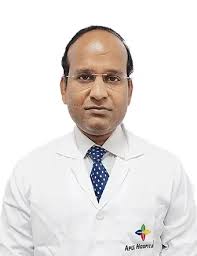
Senior Consultant













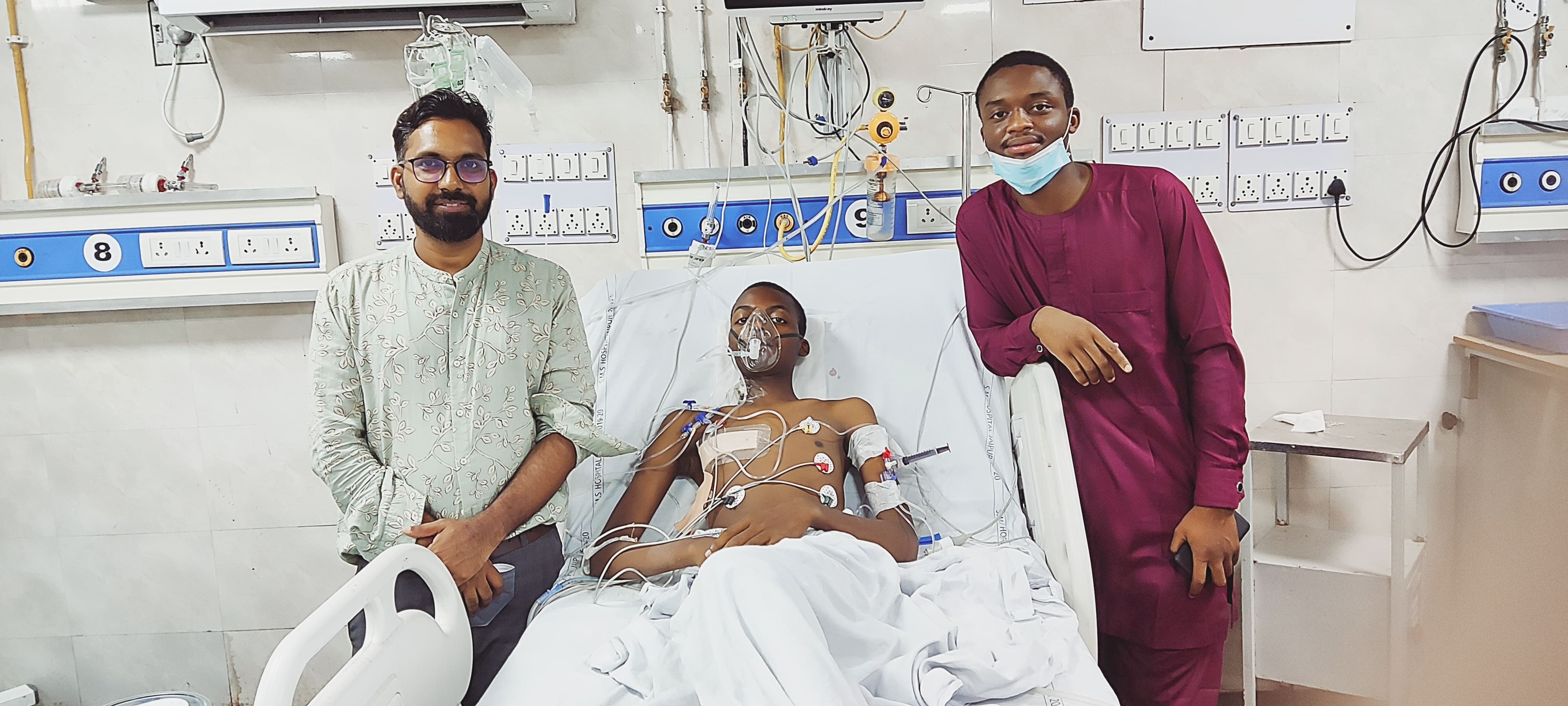
A 19 years old Nigerian boy abdulla came to India for mitral valve replacement. When he reached india his heart was only 18% working with various other complications.
Read more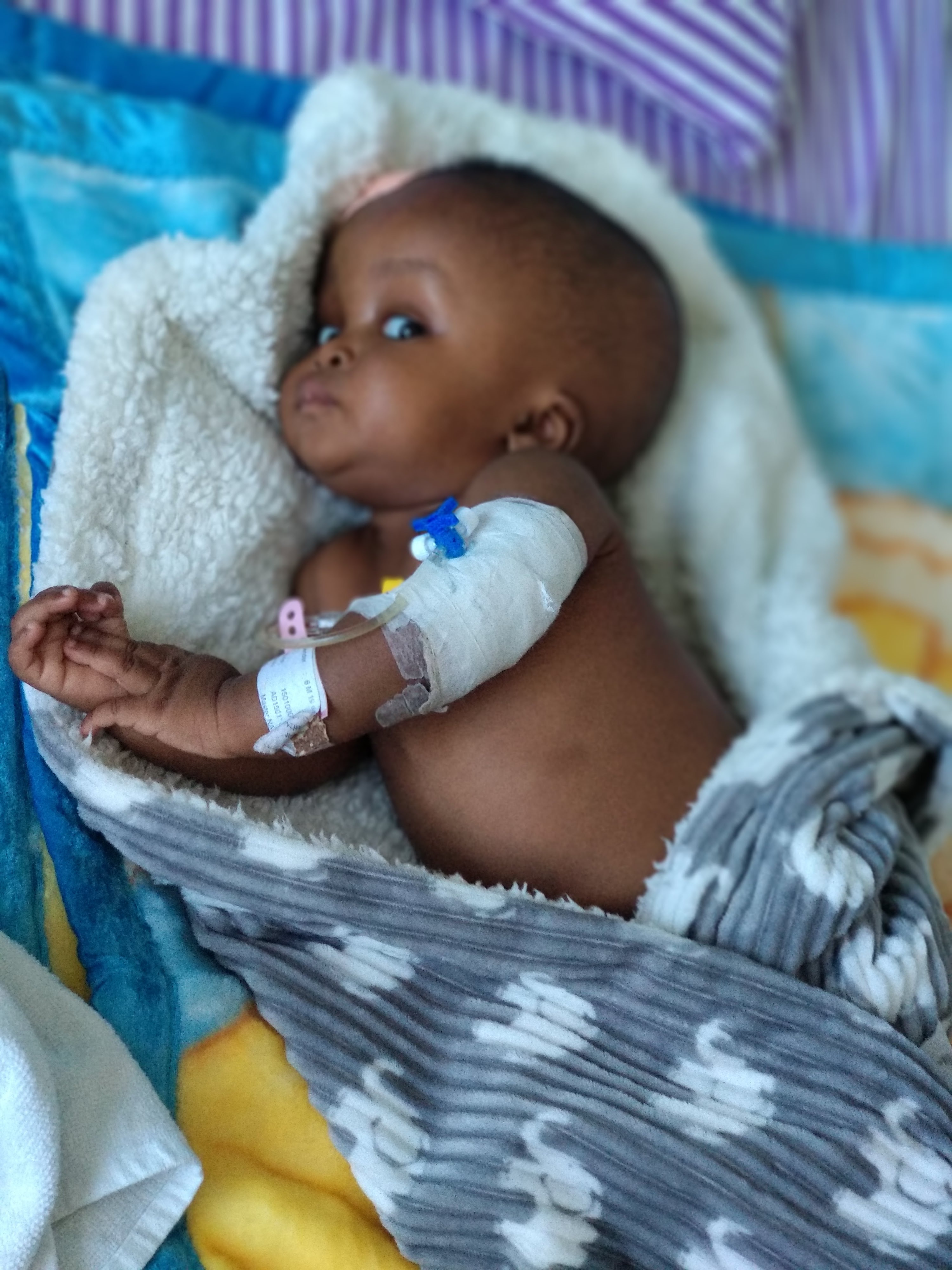
Naqib, a year old baby has been struggling with the life. He had been having a tough time in his life battling with the symptoms like mental changes, difficulty in speaking, seizures, and muscle weakness.
Read moreTransparent · Professional · Without Hassles
It's essential to have a clear understanding of what will happen before, during, and after the procedure, and what results to expect...
Get your personalized treatment plan and quote within 48 hours.
By submitting the form I agree to the Terms of Use and Privacy Policy of Vaidam Health.