Heart bypass surgery is a surgery which is performed for certain coronary artery diseases. This surgery helps in improving the blood flow to the heart muscles when the arteries supplying blood get blocked or narrowed. Understanding this procedure, the benefits it offers, and the recovery process can help patients in getting prepared for it. In the following blog, we will be reading about what heart bypass surgery is, how it benefits the patients and the recovery support required.
The coronary arteries supply oxygen-rich blood to the heart muscles; with time plaque builds up leading to coronary artery disease. The restricted blood flow can lead to chest pain or breathlessness and in some cases even heart attack.
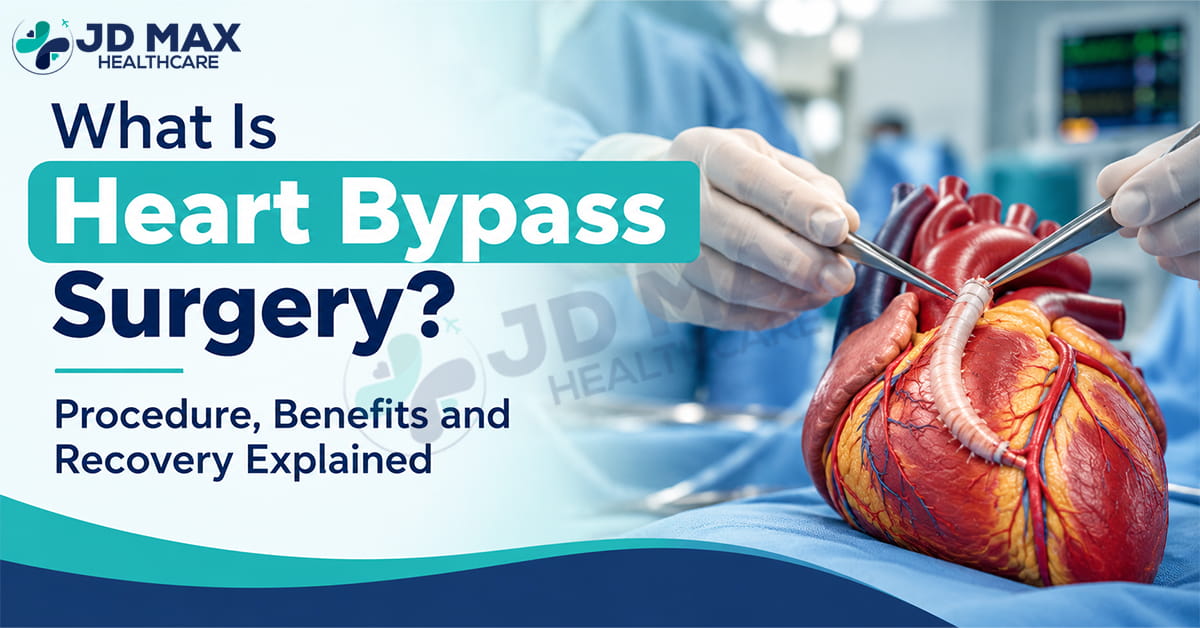
A heart bypass surgery also known as the coronary artery bypass grafting or CABG is an operation which helps in creating a new route for blood to flow around the blocked or narrowed coronary arteries. During this surgery, a healthy blood vessel from other part of the body is used to create a pathway around the blockage to restore the blood supply.
Heart bypass surgery is classified according to the blood vessels and the technique used.
1. Traditional or on-pump bypass surgery
In this type of surgery, the surgeon opens the chest through the breastbone. A heart-lung machine takes over the functions of the heart and lungs temporary while the surgeon operates the heart.
2. Off-pump bypass surgery
This surgery is also known as a beating heart surgery as it allows the surgeon to perform bypass grafting while the heart continues working. Stabilising equipment are used by the surgeon to work on the affected area. This surgery is suitable only for selected patients.
3. Minimally invasive bypass surgery
This surgery is performed in selected patients only as this surgery is done through small chest incision rather than a full breastbone incision. Whether this approach is suitable for a patient or not depends on the location and the extent of the coronary artery blockages.
4. Robotic-assisted or hybrid procedures
There are certain specialized centres which offer robotic-assisted techniques or combination of bypass surgery and stenting. This surgery is chosen for patient depending on his coronary anatomy and clinical requirements.
You Can Also Read:- TAVR: Benefits, Risks, Procedure and Recovery
A heart surgery is performed in many steps; these are as follows.
Step 1: Anaesthesia and preparation
The patient is given general anaesthesia which makes him asleep through the operation. The team monitors the vital signs and prepares the surgical area for operation.
Step 2: Taking a healthy blood vessel
A healthy blood vessel from the patient’s body is selected to create the bypass. The most common choices include the internal mammary artery from the chest, the saphenous vein from leg or the radial artery from the arm.
Step 3: Creating the bypass
The surgeon connects the healthy blood vessel so that the blood flows around the blocked or narrowed artery. For this, one or more bypass grafts may be needed.
Step 4: Completing the operation
The surgical team checks the grafts and the heart’s functioning. If the surgery is done using a heart-lung machine then the heart is returned to its usual workload before the machine is withdrawn and then the chest incision is closed.
Step 5: Intensive care monitoring
Once the surgery is completed, the patient is transferred to the intensive care unit and the patient is kept under observation. The team continuously checks and monitors the heart rhythm, breathing, bleeding, blood pressure and other functions before the patient is transferred to the normal room.
The recovery starts immediately after the operation takes place. The patients are closely monitored in the intensive care unit before they are transferred to the regular room. During the initial days after surgery, the patients may experience tiredness, sleep disturbance, change in appetite or discomfort. However, these symptoms are likely to improve with time as the healing happens.
Patients are encouraged to start sitting, standing and walking short distances under medical supervision. These early movements help in reducing the complications and help in recovery. The patient may be required to stay for five to seven days which might increase depending on the patient’s condition. Before, discharge, the patient is explained about the wound care, medications, activity restrictions and follow-up needed.
The recovery period for bypass surgery depends on the patient’s age, health condition and the surgical technique chosen. In the first week, the patients start doing basic activities and begin taking short walks. In second to fourth week, the mobility and the energy level are likely to improve. The tiredness may be there and therefore; adequate rest is necessary.
In the weeks four to eight, patients start returning to their daily activities depending on the progress they have made. In six to twelve weeks, the recovery happens but the complete healing may take a bit longer in the patients who had open heart surgery. In patients who undergo minimally invasive surgery are likely to recover faster.
You Can Also Read :- Kidney Infection: Early Signs, Causes, Treatment Options and Recovery
There are certain precautions which help patients in better healing after the surgery. The patients should take the prescribed medicines regularly like the blood pressure medicines, antiplatelet drugs, cholesterol lowering medicines and other as prescribed. The surgical wound should be regularly cleaned and dried and in case of swelling, redness, fever, or discharge, immediate medical help should be taken.
You should do physical activity regularly and follow a heart healthy diet as suggested by the doctor. Avoid smoking, drinking and consuming tobacco as they have a negative effect and increase cardiovascular risk. Go for regular follow up and maintain a happy state of mind throughout for better recovery and healing.
Heart bypass surgery helps in improving the blood flow to the heart and is therefore appropriate for those suffering from coronary artery disease. If you have any symptoms related to heart issues then you should immediately consult the best heart surgeon in Jaipur at JD Max hospital. We have a team of specialists who are qualified and experienced in providing customized treatment according to the condition of the patients. If you need any help, book an appointment now.
1. Why is heart bypass surgery needed?
Heart bypass surgery is required to improve the blood flow to the heart muscles when the coronary arteries are blocked. This surgery is suggested to patients who have coronary artery disease.
2. How long does heart bypass surgery take?
This surgery generally takes approximately three to six hours. However, the surgery duration may vary depending on the complexity of the case, health condition of the patient, and the bypass grafts needed.
3. How long does it take to recover from heart bypass surgery?
Patients require at least six to 12 weeks to recover after the surgery. While some may recover sooner, others may need months to get back their strength.
4. What precautions should be taken after heart bypass surgery?
Patients who have gone through surgery require to take medicines as prescribed, follow the diet plan and take care of the wounds as suggested.
5. What are the risks and complications of heart bypass surgery?
The complications in this surgery include bleeding, infection, heart attack, stroke, blood clots, or issues related to anaesthesia. Some patients may also experience temporary memory loss or concentration problems.
Share your reports and get an expert review and cost estimate within 48 hours.

Liver Transplant Surgeon, Gastrointestinal Surgeon
Experience: 29 years



Get your personalized treatment plan and quote within 48 hours.